
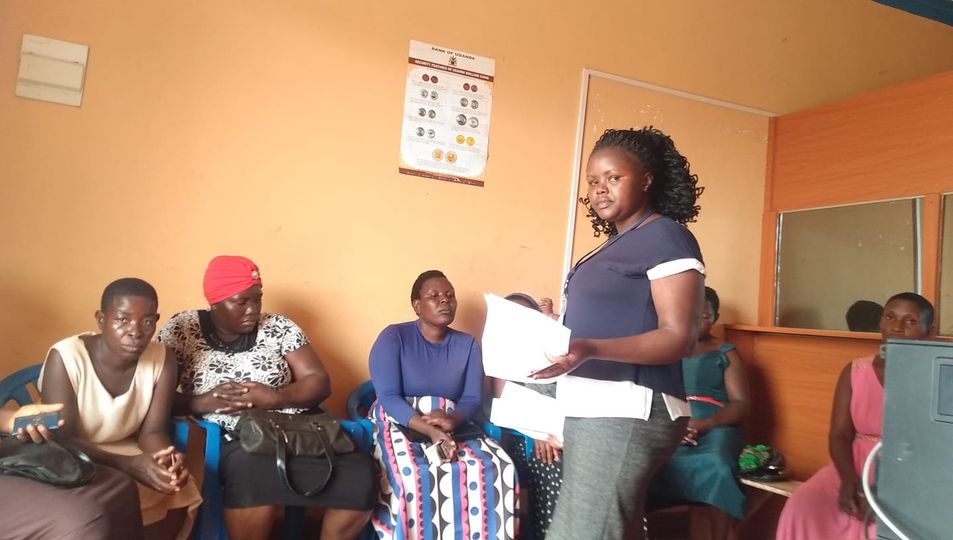
Uganda’s economy is heavily dependent on small businesses, which make up a significant portion of the country’s economic activity. However, access to capital has always been a challenge for entrepreneurs in rural areas like Jinja and Mbale. Microfinance institutions have stepped in to fill this gap, offering quick loans and other financial services that are changing the landscape of small businesses across Uganda. Here are five ways microfinance is making a difference.
Providing Access to Quick Loans
One of the biggest challenges for small businesses in Uganda is obtaining quick access to capital. Traditional banks often have stringent requirements that many small entrepreneurs cannot meet. Microfinance institutions offer an alternative connection to quick loans, allowing business owners to access the funds they need with minimal hassle. In areas like Jinja and Mbale, where formal banking services are scarce, microfinance has become a lifeline for entrepreneurs seeking to grow their businesses.
Empowering Women Entrepreneurs
In Uganda, women often face significant barriers to accessing finance. Microfinance institutions are actively working to close this gap by offering loans specifically targeted at women entrepreneurs. These loans empower women to start and expand their businesses, contributing to their communities’ economic growth. In Jinja and Mbale, many women-led small businesses have flourished thanks to the support of microfinance.
Supporting Agricultural Development
Agriculture is the backbone of Uganda’s economy, especially in rural areas like Jinja and Mbale. However, small-scale farmers often lack the financial resources to invest in better tools, seeds, and farming techniques. Microfinance institutions provide loans tailored to the needs of farmers, helping them increase productivity and profitability. This support not only boosts individual incomes but also strengthens the local economy.
Promoting Financial Literacy
Beyond providing loans, microfinance institutions in Uganda are also committed to improving financial literacy among small business owners. Entrepreneurs are given training on how to manage their finances, budget effectively, and plan for future growth. This education is particularly crucial in areas like Jinja and Mbale, where many small business owners have little to no formal education. By equipping entrepreneurs with the knowledge they need, microfinance institutions are laying the foundation for sustainable business growth.
Facilitating Access to Markets
Microfinance institutions in Uganda are also helping small businesses access larger markets. With the support of microfinance, entrepreneurs can invest in better packaging, branding, and marketing strategies, making their products more competitive in both local and regional markets. In Jinja and Mbale, this has led to an increase in business opportunities, as small businesses can now reach a wider customer base.
Conclusion
Microfinance is playing a pivotal role in transforming small businesses in Uganda. By providing access to quick loans, empowering women entrepreneurs, supporting agricultural development, promoting financial literacy, and facilitating access to markets, microfinance institutions are helping to drive economic growth in regions like Jinja and Mbale. As more entrepreneurs gain access to these crucial financial services, the future of small businesses in Uganda looks brighter than ever.
Leave a Reply