
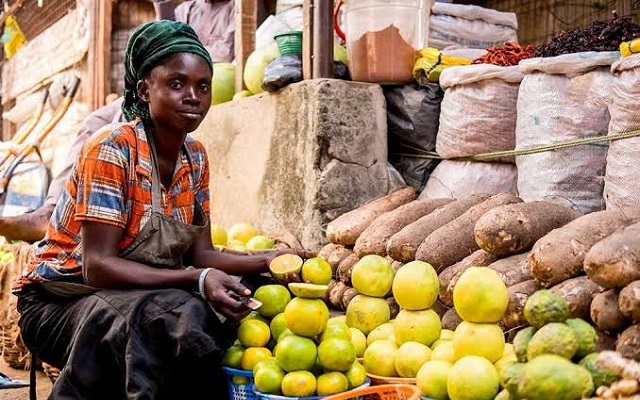
Uganda is an agricultural powerhouse, with the majority of its population relying on farming for their livelihoods. However, challenges such as limited access to capital, outdated farming techniques, and climate change have hindered the country’s ability to achieve food security. The intersection of smart agriculture and microfinance is offering new hope for Uganda, particularly in regions like Jinja and Mbale. This blog explores how microfinance is supporting smart agriculture initiatives to boost food security across the country.
Enabling Access to Quick Loans for Smart Agriculture
Smart agriculture involves the use of advanced technologies and practices to increase farm productivity and sustainability. However, adopting these innovations often requires significant investment, which many small-scale farmers in Uganda cannot afford. Microfinance institutions are stepping in to provide quick loans tailored to the needs of farmers, enabling them to invest in smart agriculture tools and techniques. In regions like Jinja and Mbale, these loans are helping farmers purchase better seeds, irrigation systems, and precision farming equipment, leading to higher yields and improved food security.
Supporting the Adoption of Climate-Resilient Farming Techniques
Uganda’s agricultural sector is highly vulnerable to climate change, with unpredictable weather patterns posing a significant threat to food production. Microfinance institutions are playing a crucial role in promoting the adoption of climate-resilient farming techniques. By offering loans for purchasing drought-resistant seeds, water-efficient irrigation systems, and other sustainable farming practices, microfinance is helping farmers in Jinja, Mbale, and beyond adapt to the changing climate. This support is vital for ensuring a stable food supply, even in the face of environmental challenges.
Empowering Women in Agriculture
Women are central to Uganda’s agricultural sector, yet they often face barriers to accessing the resources they need to succeed. Microfinance institutions are actively working to empower women farmers by providing them with the financial tools to invest in smart agriculture. Quick loans targeted at women enable them to purchase the necessary inputs and technologies to improve their farming practices. In regions like Jinja and Mbale, these efforts are leading to increased agricultural productivity, higher incomes, and greater food security for entire communities.
Promoting Financial Literacy for Farmers
Financial literacy is a key component of successful farming, especially when it comes to managing the costs and benefits of smart agriculture. Microfinance institutions in Uganda are not only providing loans but also educating farmers on how to manage their finances effectively. Through training programs, farmers learn how to budget for new technologies, plan for future investments, and maximize their returns. In areas like Jinja and Mbale, this knowledge is helping farmers make informed decisions that boost their productivity and contribute to food security.
Facilitating Market Access for Small-Scale Farmers
One of the biggest challenges for small-scale farmers in Uganda is accessing larger markets where they can sell their produce at fair prices. Microfinance institutions are helping to bridge this gap by providing loans for transportation, storage facilities, and marketing initiatives. In Jinja and Mbale, these financial services are enabling farmers to reach new markets, increase their sales, and reduce post-harvest losses. This, in turn, enhances food security by ensuring that more food reaches consumers, both locally and nationally.
Conclusion
Smart agriculture and microfinance are proving to be powerful tools in the fight to boost Uganda’s food security. By providing quick loans, supporting climate-resilient farming, empowering women, promoting financial literacy, and facilitating market access, microfinance institutions are helping farmers in regions like Jinja and Mbale achieve greater productivity and sustainability. As Uganda continues to embrace these innovations, the country is well on its way to ensuring a more secure and resilient food supply for all.

Leave a Reply